Getting students actively engaged in the classroom is one of the most important tasks of a teacher. We suggest great ways to help teachers reach their students. Hence, boosting their intake and easing the work of instructors.
9 Great Ways Teachers Can Reach Students
In my decades of teaching, I have learned one truth. Pedagogy without connection is just noise. Reaching students is the atmosphere in which learning breathes. It requires intent, empathy, and strategy. Here are the nine methods I use to make sure my teaching lands in minds and hearts.
1. Strategic Vulnerability
I deliberately share my own intellectual stumbles. When modeling a complex problem, I think aloud. I hit dead ends and verbalize my corrections. This dismantles the myth of innate genius. It frames learning as a process anyone can navigate.
2. Micro-Validation
I hunt for specific, effort based kernels to affirm. “Your question reveals sharp critical thinking.” “I noticed the precision in your third step.” This is not generic praise. It signals I am attending to their individual work. It builds a durable academic identity.
3. Curricular Autonomy within Frameworks
I architect units with clear skill goals but mutable paths. Students must demonstrate persuasive rhetoric. They can argue about a school policy or a video game narrative. This investment of choice transforms them. They become active co-authors of their learning.
4. Deliberate Ritual
We have a predictable rhythm. An opening thinking prompt. A closing exit reflection. This is not stale routine. It is a psychological container. It creates a safe and consistent cognitive space. Risk feels more manageable here.
5. Proximity and Paralinguistics
I teach from the back of the room. I sit with groups as a thinking partner. My tone, pace, and volume are tools. A near whisper can command more focus than a shout. This mobility breaks the authoritarian dynamic. It lets me read the room’s energy.
6. Feedback as Dialogue
My comments ask more questions than they pronounce. Instead of “vague,” I write, “Can you unpack this for me?” Students respond to my feedback. This closes the loop. Assessment becomes a formative dialogue aimed at growth.
7. Interest-Based Scaffolding
I audit my examples through my students’ worlds. I might use a social media algorithm to explain probability. I connect song lyrics to metaphor. I scaffold complex concepts onto familiar frameworks. This builds cognitive bridges they are willing to cross.
8. Non-Content Capacity Building
I explicitly teach how to learn. We organize binders. We chunk long term projects. We practice what to do when stuck. These metacognitive skills are critical. They reduce helplessness and foster lasting self-sufficiency.
9. “The Third Answer”
A student offers a correct answer. I pause. I ask, “How else could we get there?” This disrupts intellectual complacency. It cultivates a deeper culture. The first answer is just the beginning of exploration.
My Guiding Principle
Reaching students is my core mission. It is not about entertainment or being a friend. I am an architect of learning environments. My goal is to build genuine connection. That connection makes rigorous learning possible. I achieve this through intentional, researched strategies.
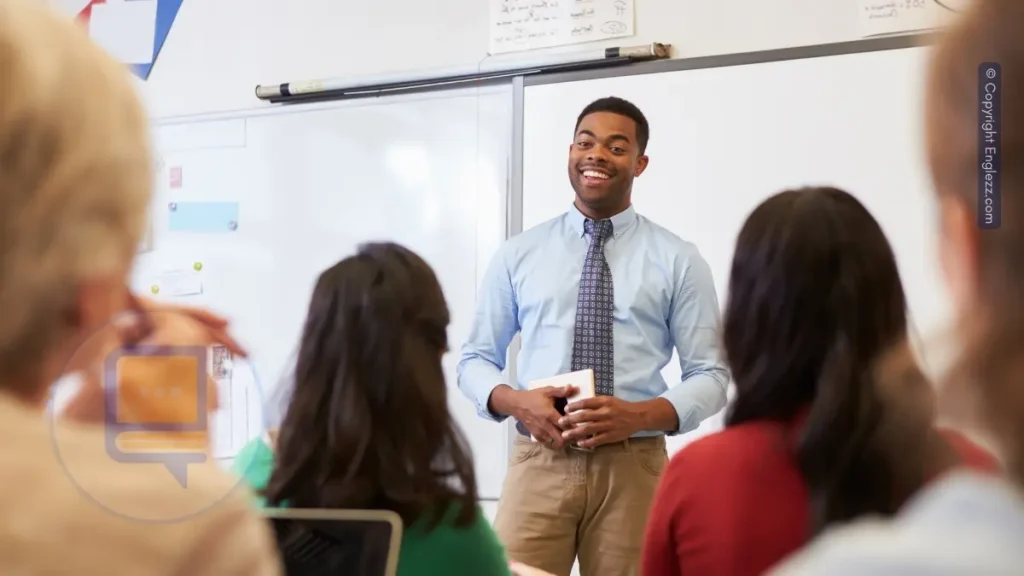
I practice strategic vulnerability. I share my own learning struggles aloud. This makes the process visible and human. I offer micro validations of student effort. I note specific strengths in their thinking. I build choice into our curriculum. Students help steer their learning path within clear frameworks. I use deliberate classroom rituals. These create psychological safety and readiness.
My physical teaching is mobile. I teach from the back and the middle of the room. My feedback is a dialogue, not a verdict. I ask questions in the margins of their work. I connect content to student interests for better scaffolding. I directly teach executive function skills. We practice how to learn together. Finally, I push for the “third answer.” We explore multiple pathways to a solution.
Thanks for your attention. Hope you liked the lesson and see you again in an other English lesson in our coming courses. Don’t forget to subscribe to our newsletters to receive new tips right to you inbox.
Other Popular Articles - قد يعجبك أيضا